

Do you find yourself saying yes when you really want to say no?
Perhaps you’re the person everyone relies on. You’re helpful, accommodating and good at sensing what other people need. You don’t want to disappoint anyone, create conflict or be seen as difficult.
But somewhere along the way, your own needs can become harder to hear.
People pleasing can look like kindness from the outside, but when you’re constantly prioritising everyone else’s feelings, expectations and needs above your own, it can leave you feeling exhausted, resentful, disconnected and unsure of what you actually want.
And sometimes the first step towards changing that pattern is simply understanding it.
That’s why I’ve put together this list of some of the best books for people pleasers. Some will help you understand why you people please, others will teach you how to set boundaries and say no, and some will help you reconnect with your confidence, self-worth and authentic self.
You don’t need to read them all.
Start with the one that speaks to where you are right now.
What Is People Pleasing?
People pleasing is more than simply being kind or thoughtful.
Kindness involves choosing to do something for another person because you genuinely want to. People pleasing can happen when you feel responsible for keeping other people happy, avoiding disappointment, preventing conflict or gaining approval.
You might recognise yourself in some of these behaviours:
- Saying yes when you want to say no
- Feeling guilty when you put yourself first
- Worrying excessively about disappointing people
- Avoiding difficult conversations
- Changing your opinion depending on who you’re with
- Apologising when you haven’t done anything wrong
- Taking responsibility for other people’s emotions
- Overcommitting yourself
- Struggling to ask for help
- Seeking reassurance or approval
- Feeling uncomfortable when someone is unhappy with you
- Losing sight of what you actually want
The tricky part is that people pleasing can become so familiar that you don’t even realise you’re doing it.
You might simply think, “That’s just who I am.”
But there is a difference between being a caring person and continually abandoning your own needs to keep everyone else comfortable.
And that is where these books can help.
Which People Pleasing Book Should I Start With?
If you don’t know where to begin, think about the part of people pleasing you struggle with most.
If you struggle with saying no: Start with The Art of Saying No.
If boundaries are your biggest challenge: Try Setting Boundaries or Boundaries.
If you want to understand why you people please: Start with Please Yourself or The Disease to Please.
If guilt appears every time you stand up for yourself: Try When I Say No, I Feel Guilty.
If you tend to lose yourself in relationships: Codependent No More may be a useful place to begin.
If you’re working on becoming more confident and assertive: Try The Assertiveness Workbook.
If you’re ready to embrace vulnerability and authenticity: Start with Daring Greatly.
Now, let’s explore the books in more detail.
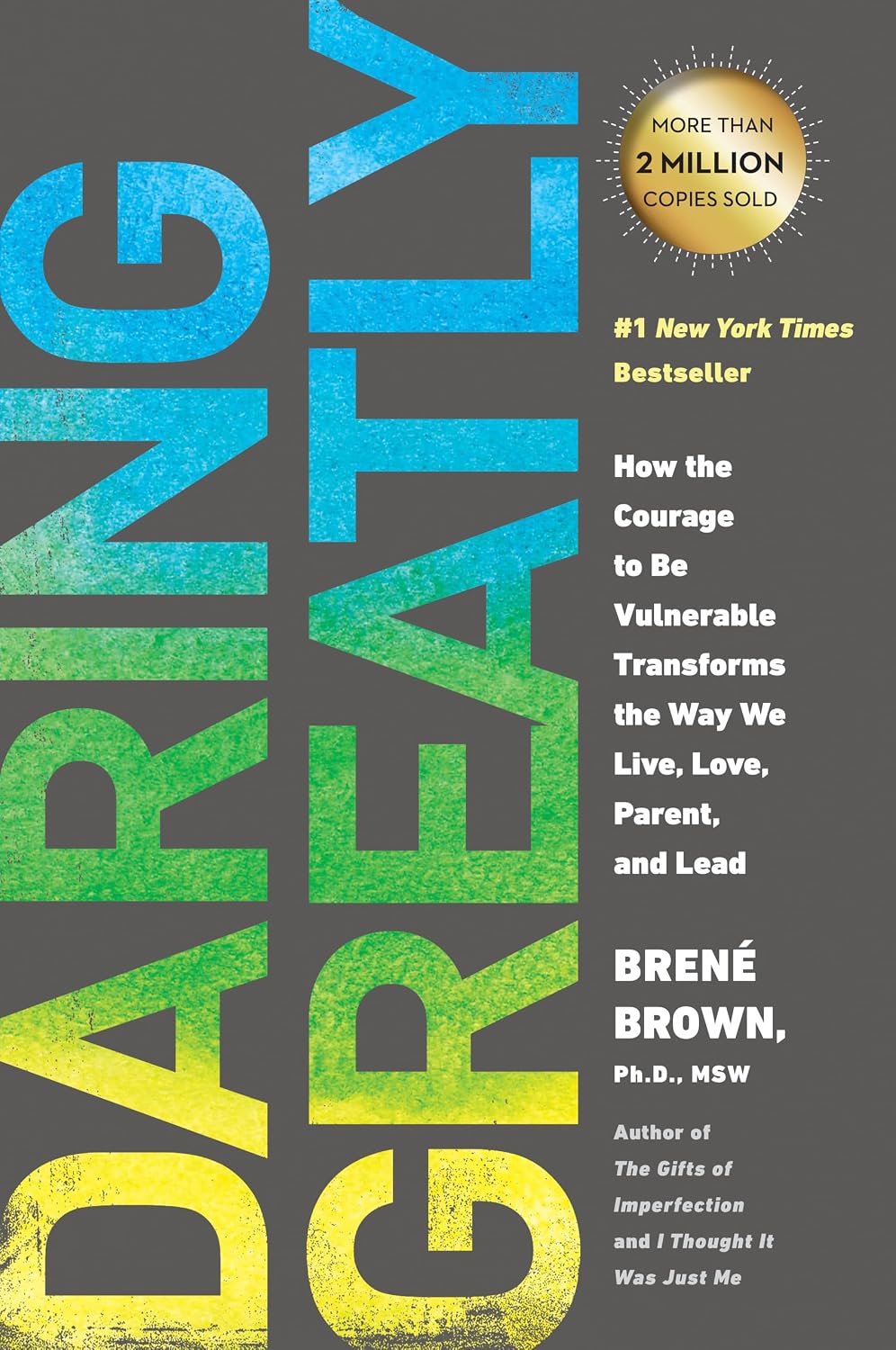
“Daring Greatly: How the Courage to Be Vulnerable Transforms the Way We Live, Love, Parent, and Lead” by Brené Brown
Best for: Becoming more comfortable with vulnerability and authenticity
Daring Greatly explores vulnerability, courage, shame and the fear of not being enough.
For people pleasers, this can be particularly powerful because so much people pleasing can revolve around trying to present the version of ourselves we believe will be accepted, liked or approved of.
What happens when we stop performing for acceptance and allow ourselves to be seen?
Brown’s work invites us to embrace imperfection and recognise that vulnerability isn’t something we need to hide from.
If your people pleasing is closely connected to perfectionism, fear of judgement or worrying about what other people think of you, this is a wonderful book to explore.
Best for: Learning to show up more authentically.
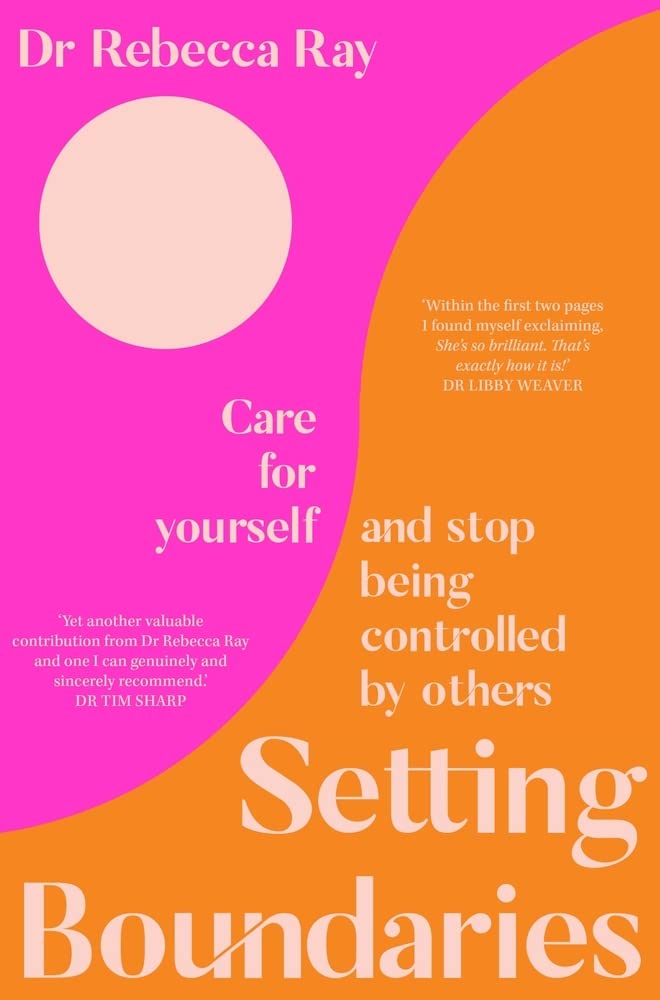
Setting Boundaries by Rebecca Ray
Best for: Understanding and creating healthier boundaries
Boundaries can be incredibly difficult when you’re accustomed to putting everyone else first.
You may know intellectually that you need them, yet when the moment comes to actually say no, speak up or tell someone what you need, guilt quickly appears.
In Setting Boundaries, Dr Rebecca Ray explores how to identify your boundaries, recognise when they have been crossed and approach difficult conversations with greater confidence and self-kindness.
This is a practical choice if you frequently feel stretched, overwhelmed or taken for granted.
Best for: People who know they need boundaries but aren’t sure how to create them.
Are You a People Pleaser?
You may already recognise some people pleasing tendencies in yourself.
But have you ever considered how you people please?
Some of us keep the peace. Some fix everyone's problems. Some over-give. Others constantly seek reassurance that everyone is happy with them.
I've created a free People Pleaser Quiz to help you uncover your dominant people pleasing pattern and understand where it may be showing up in your life.
Discover Your People Pleasing Pattern
Take the free 2-minute quiz and discover whether you're predominantly:
The Peacekeeper, The Fixer, The Over-Giver, The Approval Seeker or The Shape-Shifter.
You'll also receive guidance on the first step you can take to begin changing the pattern.
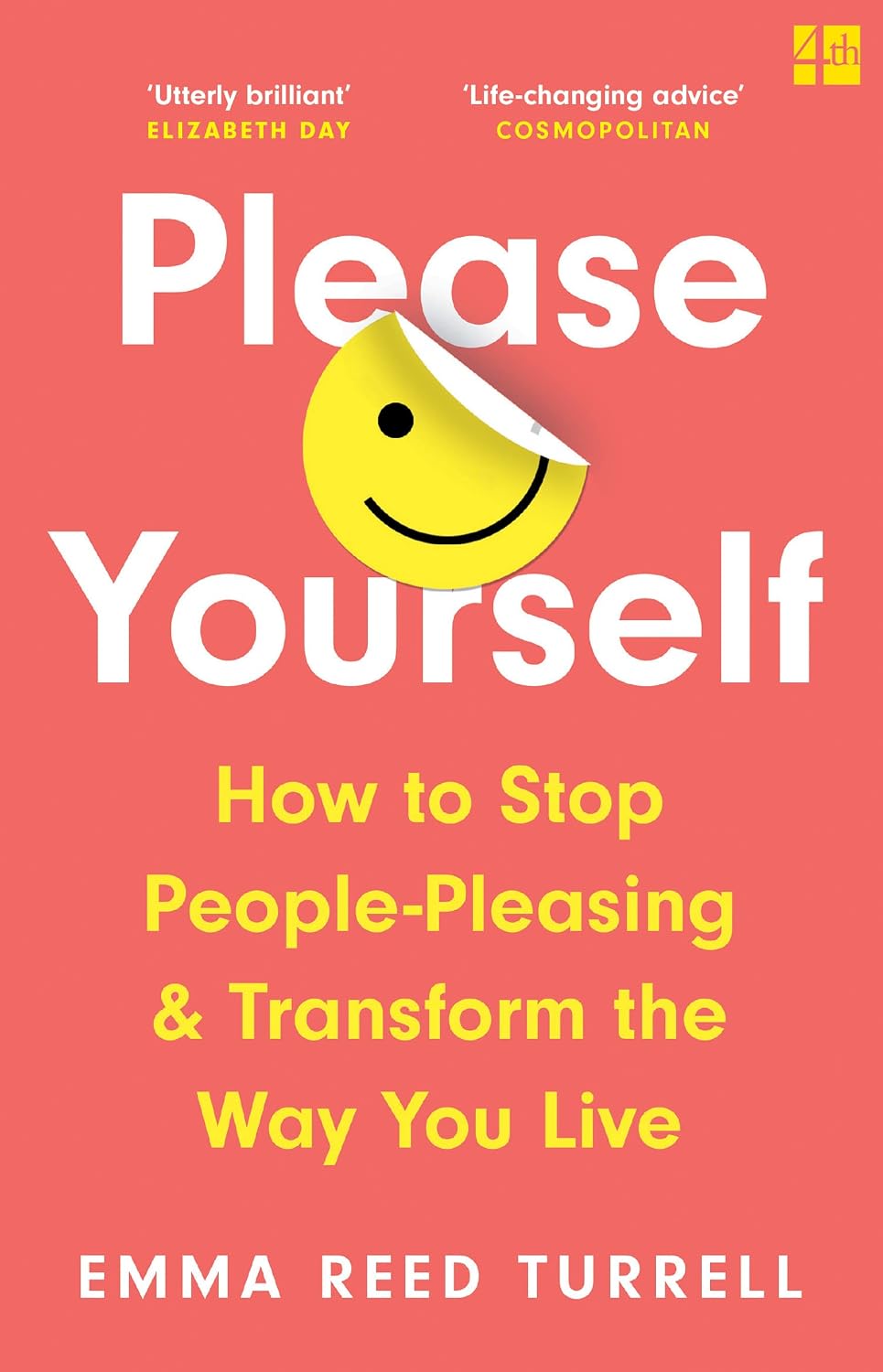
Please Yourself by Emma Reed Turrell
Best for: Understanding your people pleasing pattern
Please Yourself focuses specifically on people pleasing and explores different ways the behaviour can present itself.
Psychotherapist Emma Reed Turrell helps readers recognise the patterns behind their behaviour and understand what may be driving the need to please.
This can be particularly useful if you’ve reached the point where you’re thinking:
“I know I do this, but I don’t understand why.”
Awareness doesn’t change everything overnight, but it gives you somewhere to start.
Best for: Understanding the deeper patterns behind people pleasing.
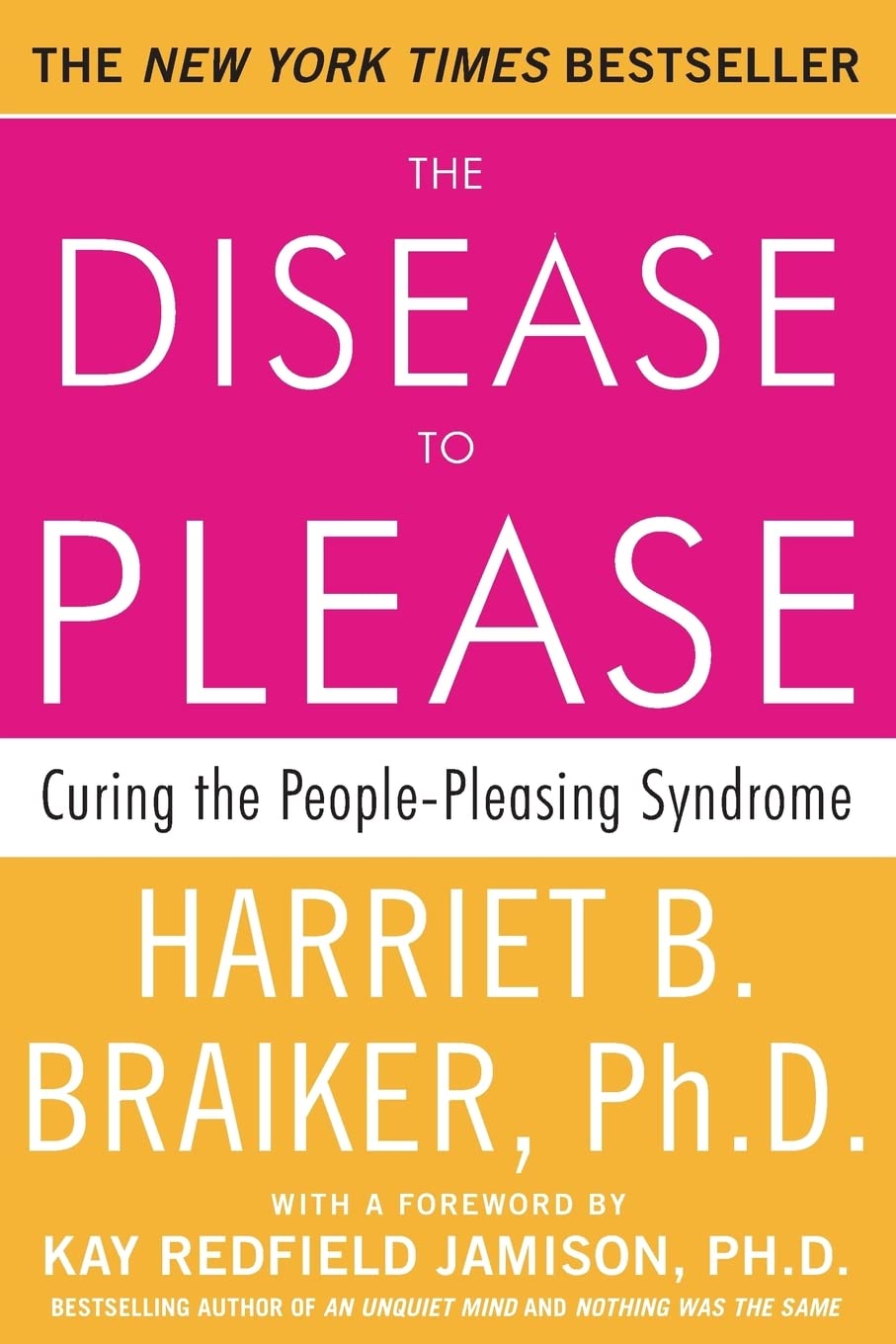
The Disease to Please by Harriet B. Braiker
Best for: Breaking long-standing approval-seeking patterns
The Disease to Please explores the emotional and behavioural patterns that can keep people trapped in the cycle of trying to please everyone around them.
It can help you begin recognising the difference between genuinely wanting to help someone and feeling compelled to help because you fear their reaction if you don’t.
If your automatic response is to put other people’s needs ahead of your own, this book may help you understand what keeps that cycle going.
Best for: People who feel responsible for keeping everyone happy.
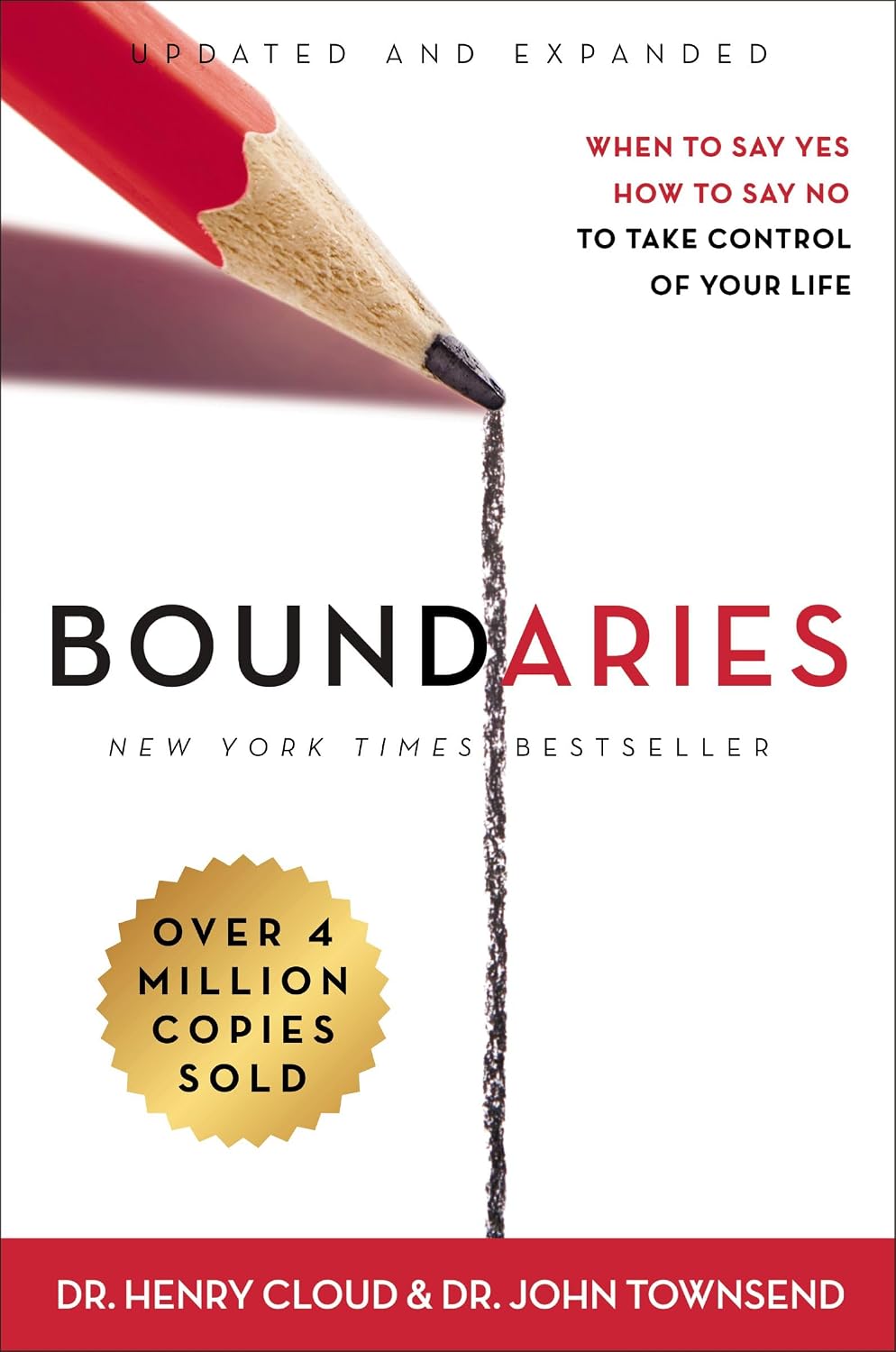
Boundaries by Henry Cloud and John Townsend
Best for: Learning where your responsibility ends and someone else’s begins
One of the biggest challenges for people pleasers is understanding what they are responsible for.
You can care about someone without being responsible for fixing everything for them.
You can love someone without agreeing with everything they want.
You can support someone without sacrificing yourself.
Boundaries explores these distinctions and provides a structured framework for understanding personal limits.
It’s worth noting that this book approaches boundaries from a Christian perspective, so the faith-based framing may resonate strongly with some readers and less with others.
Best for: Developing a clearer framework around responsibility and personal boundaries.
The Art of Saying No by Damon Zahariades
Best for: Learning to say no without drowning in guilt
If you’ve ever said yes and immediately thought, “Why did I agree to that?”, this one is for you.
Saying no sounds incredibly simple until you’re standing in front of someone waiting for an answer.
People pleasers often don’t struggle with knowing they should say no. They struggle with everything that comes afterwards.
Will they be disappointed?
Will they think I’m selfish?
Will they be angry?
Will they stop liking me?
The Art of Saying No provides practical strategies for becoming more comfortable declining requests and protecting your time and energy.
Best for: People who continually overcommit themselves.

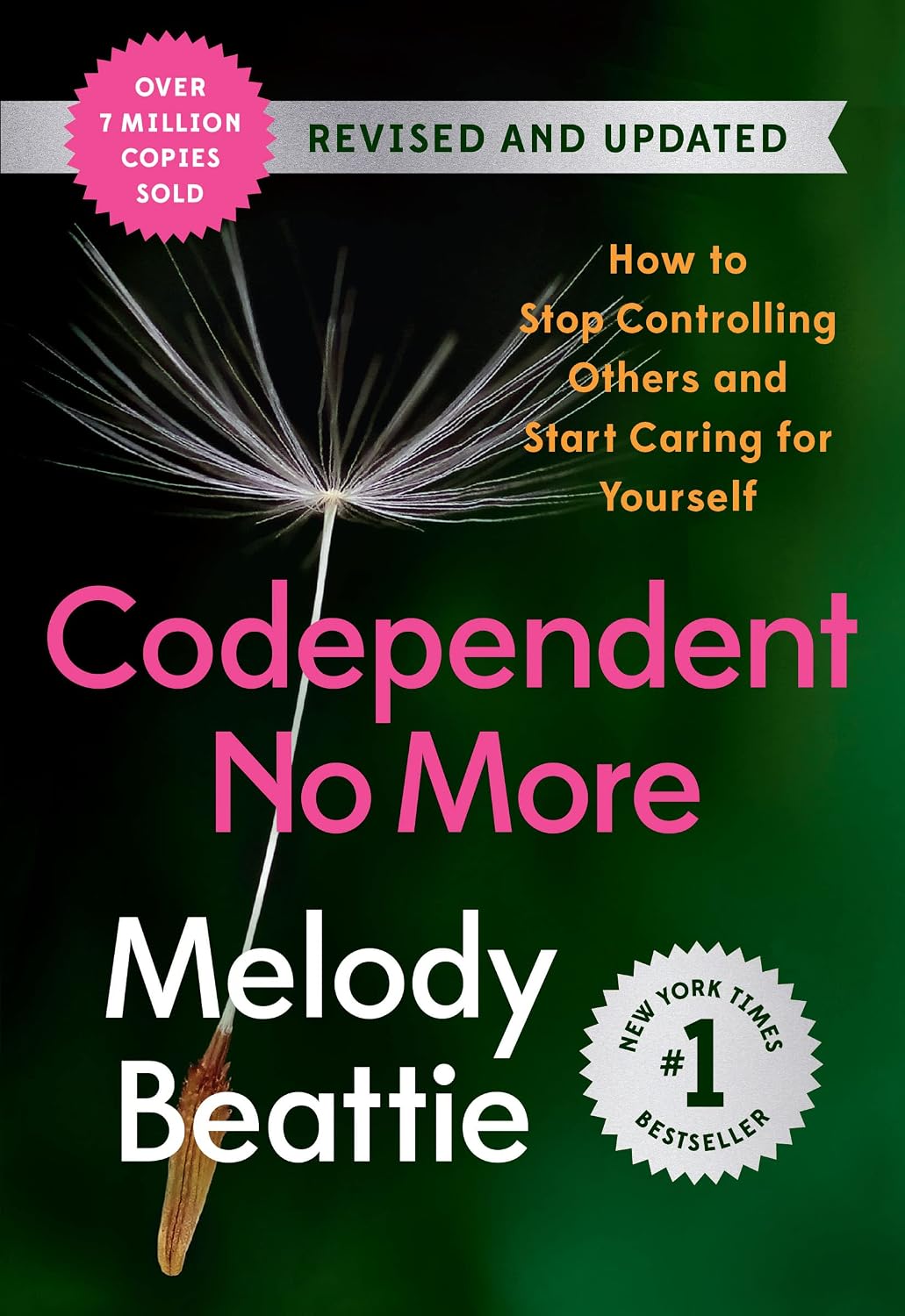
Codependent No More by Melody Beattie
Best for: People who lose themselves while caring for others
People pleasing and codependent behaviours can sometimes overlap, particularly when your emotional wellbeing becomes heavily connected to another person’s behaviour or needs.
Codependent No More encourages readers to bring their attention back to their own life, choices and wellbeing.
It can be particularly thought-provoking if you frequently find yourself trying to rescue, manage or fix other people.
Best for: Exploring over-giving and unhealthy relationship dynamics.
Ready to Do More Than Read About People Pleasing?
Books can give you insight.
But eventually there comes a point where you need to take what you've learned and start applying it to your own life.
That's why I created the People Pleaser Reset Bundle.
It brings together three practical resources designed to help you understand your patterns and start creating change:
Breaking Free From People Pleasing
Recognise your people pleasing patterns and begin putting yourself back into the equation.
Understanding the Root Causes of People Pleasing Behaviours
Go deeper into where your behaviours may have originated and what continues to reinforce them.
Daily Empowerment Journal for People Pleasers
Use guided reflection to reconnect with your needs, boundaries, thoughts and inner voice.
Together, they give you somewhere practical to begin.

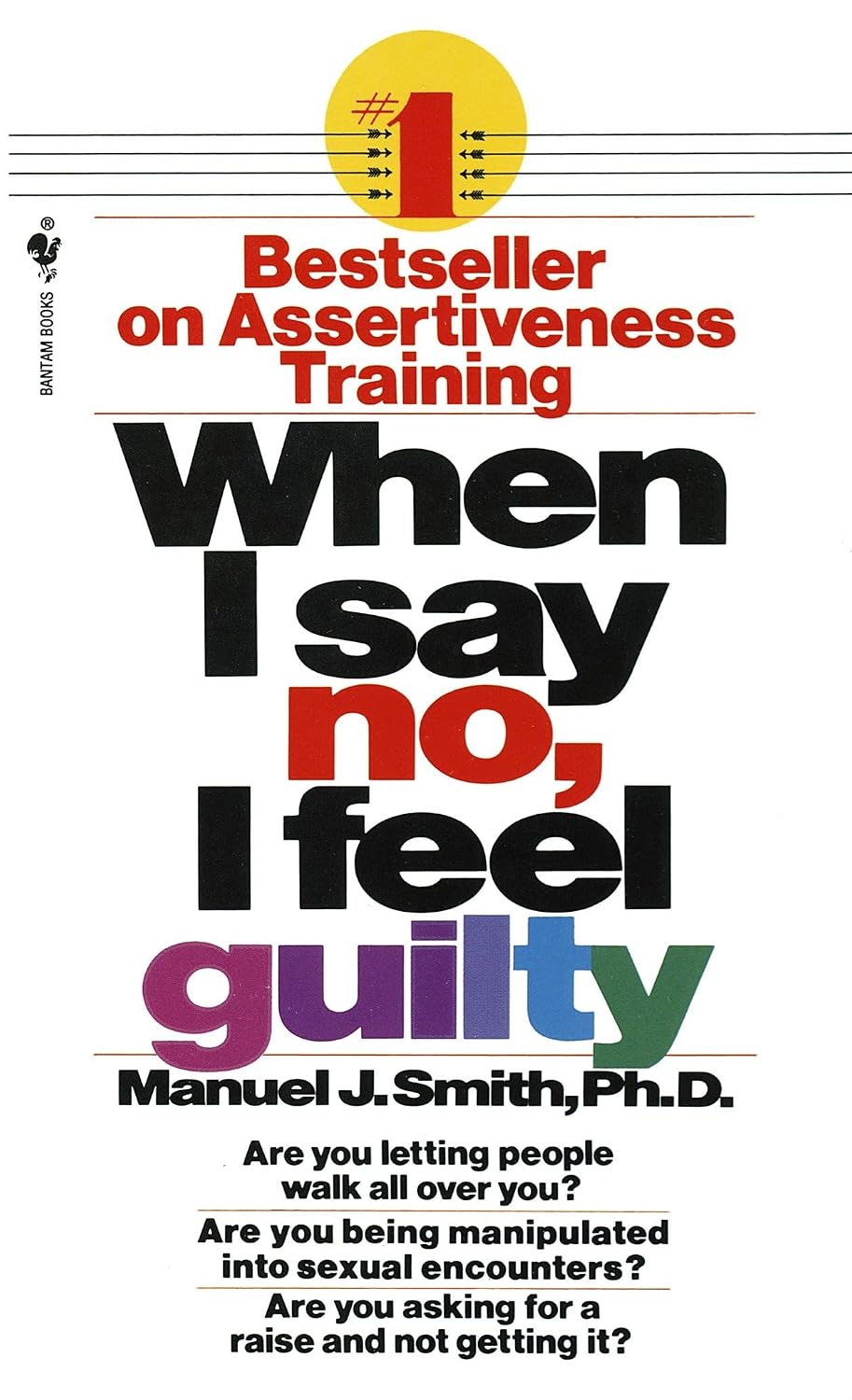
When I Say No, I Feel Guilty by Manuel J. Smith
Best for: Understanding the guilt associated with standing up for yourself
The title alone will probably speak to a lot of recovering people pleasers.
You finally say no.
And then comes the guilt.
You replay the conversation. You wonder whether you sounded rude. You consider sending another message explaining yourself. You start wondering whether you should change your mind.
Sound familiar?
When I Say No, I Feel Guilty explores assertiveness and the beliefs that can make it difficult to stand by our decisions.
Although some of the examples reflect the era in which the book was originally written, the central themes around assertiveness and guilt remain relevant.
Best for: Anyone who struggles with the emotional aftermath of saying no.
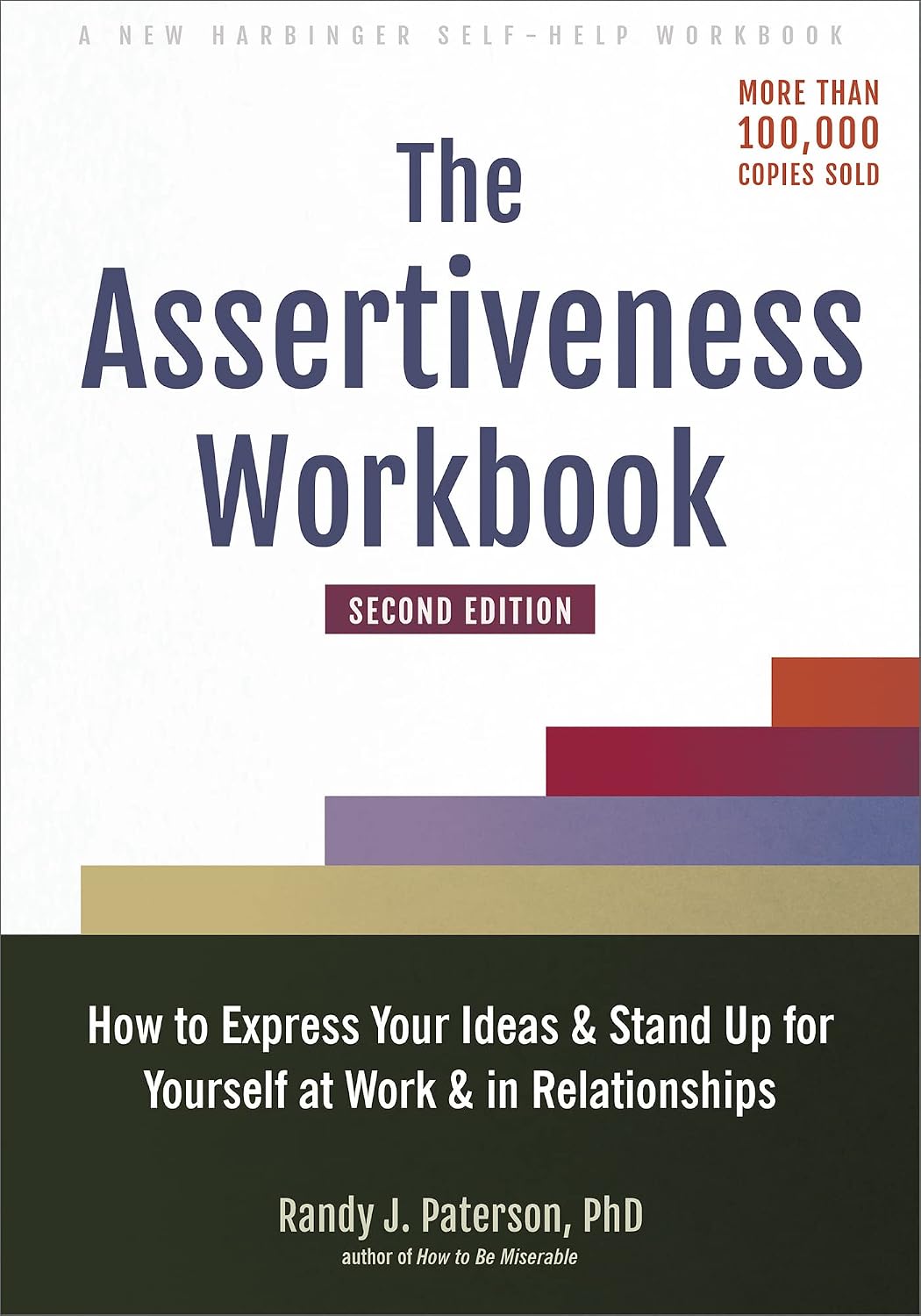
The Assertiveness Workbook by Randy J. Paterson
Best for: Finding your voice and expressing what you need
Assertiveness isn’t aggression.
It’s being able to communicate your needs, opinions and boundaries while respecting both yourself and the other person.
For someone who has spent years avoiding conflict, assertiveness can feel incredibly uncomfortable at first.
The Assertiveness Workbook provides practical exercises designed to help you develop stronger communication skills and become more comfortable expressing yourself.
Best for: Building confidence in difficult conversations.
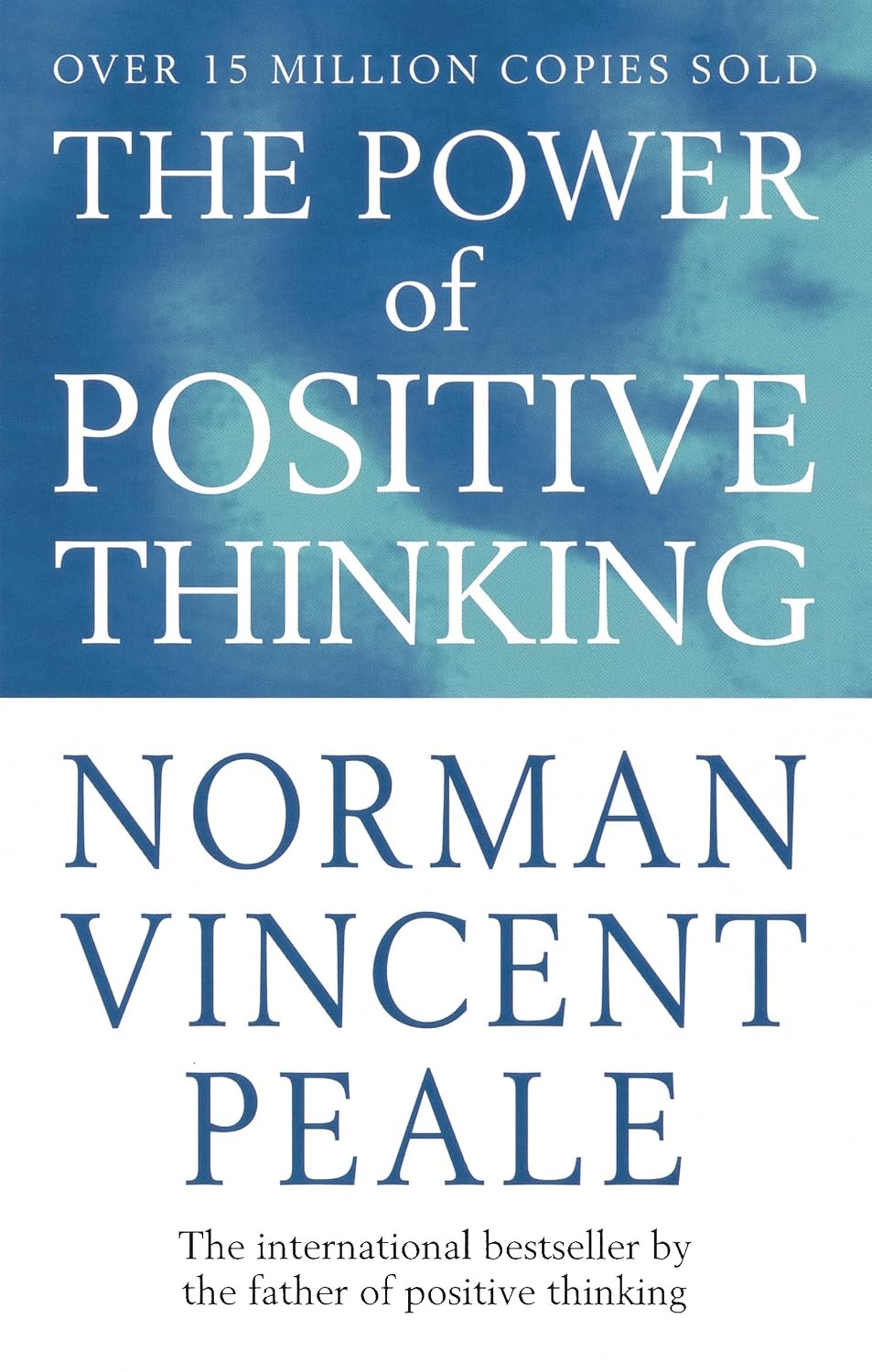
The Power of Positive Thinking by Norman Vincent Peale
Best for: Developing a more positive inner dialogue
People pleasers can have incredibly active internal conversations.
Did I upset them?
Should I have said that?
Do they think I’m difficult?
What if they don’t like me anymore?
Developing a healthier relationship with your own thoughts can be an important part of stepping away from external validation.
The Power of Positive Thinking is a classic personal development book focused on confidence, optimism and shifting negative thought patterns.
Best for: Exploring your internal dialogue and developing greater self-belief.
The Deeper Side of People Pleasing
Here’s something I want you to consider.
What if your people pleasing isn’t really about other people?
When you spend years tuning into what everyone around you wants, needs, thinks and expects, something else can happen.
You stop listening to yourself.
You become incredibly good at reading the room but not necessarily very good at reading your own inner compass.
Someone asks what you want and you genuinely don’t know.
You make decisions based on what will keep everyone else happy.
You second-guess yourself.
You look outside yourself for reassurance.
You know when something doesn’t feel right, but override that feeling because you don’t want to disappoint someone.
Over time, the question isn’t simply:
“How do I stop people pleasing?”
It becomes:
“How do I start trusting myself again?”
And that is a very different journey.
Learning to Hear Your Own Voice Again
For me, this is where the deeper work begins.
Breaking free from people pleasing isn’t about becoming selfish, uncaring or suddenly saying no to everything.
It’s about learning that your needs belong in the conversation too.
It’s remembering that you are allowed to have preferences.
You are allowed to change your mind.
You are allowed to disappoint someone.
You are allowed to set boundaries.
You are allowed to choose differently.
You are allowed to trust what you feel.
And you don’t need everyone else’s permission before you start living your own life.
At Envision Empower Succeed, much of my work comes back to this idea of reconnecting with yourself, trusting your intuition and learning to hear the quiet inner voice that can become difficult to recognise when you’ve spent years listening to everyone else.
I call it coming home to yourself.
Because sometimes you don’t need to become someone new.
You need to remember who you were before you became so busy being who everyone else needed you to be.
Start Here
If you’ve recognised yourself somewhere in this article, don’t try to change everything today.
Start by becoming curious.
Take the free People Pleaser Quiz and discover the people pleasing pattern that may be showing up most strongly for you.
Understanding the pattern gives you somewhere to begin.
And remember:
Choosing yourself doesn’t mean you stop caring about other people.
It means you finally start including yourself among the people you care about.